
What Should You Do After a Flood? A Complete Guide to Water Damage Restoration
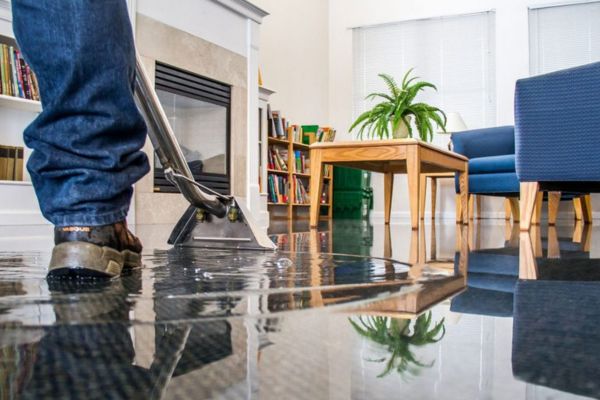
Flooding can cause serious damage to a home or business in a short amount of time. Water can soak into carpets, flooring and other surfaces, leaving behind moisture that may lead to stains, unpleasant odours and mould if it is not addressed promptly.
Knowing what to do after a flood can help limit further damage and make the restoration process easier. Whether the water has entered your property because of heavy rain, water logging or another unexpected event, taking action quickly is important.
What Should You Do Immediately After a Flood?
The first step is to make sure the property is safe before attempting any cleaning or restoration work. If there is standing water near electrical equipment, avoid entering the affected area until it has been assessed safely.
Once it is safe to do so, identify the areas affected by the water. Check carpets, rugs, flooring and other surfaces for visible signs of water damage.
It is important not to leave wet carpets or flooring unattended for too long. Moisture can remain trapped beneath surfaces even when the area appears dry, increasing the risk of further damage.
Why Is Fast Flood Restoration Important?
The longer water remains in carpets and flooring, the greater the opportunity for moisture to spread into surrounding areas. Wet materials can also develop unpleasant smells and create conditions where mould can grow.
Metro Carpet and Tile Cleaning highlights that even a relatively small amount of water can create enough moisture for mould to become a problem, particularly in carpets. Their flood restoration service is designed to address water damage and identify hidden moisture that may not be visible on the surface.
Professional restoration can therefore be useful when carpets, tiles or other flooring have been affected by flooding.
Can Water-Damaged Carpets Be Saved?
Whether a carpet can be restored depends on the extent of the water damage, how long it has remained wet and the condition of the carpet and underlying materials.
Professional assessment can help determine the appropriate restoration approach. Simply allowing a flooded carpet to dry naturally may not remove all moisture trapped underneath.
A professional flood restoration service can inspect the affected areas, remove excess moisture and identify areas that require additional attention.
How Does Professional Flood Restoration Work?
The restoration process can vary depending on the property and the extent of the flooding. A professional cleaner will generally assess the affected areas before selecting suitable cleaning and restoration methods.
For Metro Carpet and Tile Cleaning, the service focuses on addressing water damage to carpets, flooring and tiles using specialist techniques and equipment. Their flood restoration services are available for residential and commercial properties across the South Eastern and Bayside suburbs.
A typical restoration process may include:
- Inspecting the affected areas
- Identifying visible and hidden moisture
- Removing excess water and moisture
- Treating affected carpets and flooring
- Addressing dirt and contamination left behind by floodwater
- Checking the area after restoration
- Performing a moisture inspection to identify remaining damp areas
Why Is a Moisture Check Important After Flooding?
One of the most important parts of flood restoration is making sure moisture has not been left behind.
A surface may appear dry while moisture remains underneath carpet, flooring or other materials. These hidden damp areas can contribute to ongoing problems if they are not identified.
Metro Carpet and Tile Cleaning states that it carries out a comprehensive moisture check at the end of its flood restoration work to help identify hidden pockets of moisture.
This additional check can provide greater confidence that the affected area has been properly assessed.
How Can You Prevent Mould After a Flood?
Keeping affected areas as dry as possible is an important part of reducing the risk of mould after water damage.
The key is to deal with moisture rather than simply treating visible stains or odours. Professional assessment and moisture removal can help identify areas where water may still be trapped.
If a carpet remains damp or develops a musty smell after flooding, it is worth arranging a professional inspection rather than assuming that the problem will disappear on its own.
Should You Hire Professional Flood Restoration Services?
Professional flood restoration can be particularly useful when a large area of carpet or flooring has been affected, when water has remained for an extended period or when there is concern about hidden moisture.
Metro Carpet and Tile Cleaning is fully licensed and the company has been servicing the South Eastern and Bayside suburbs since 1999.
Their services cover residential, commercial and industrial cleaning requirements, including flood restoration.
What Areas Does Metro Carpet and Tile Cleaning Service?
Metro Carpet and Tile Cleaning provides flood restoration services across a range of South Eastern and Bayside suburbs, including Beaconsfield, Berwick, Carrum, Chelsea, Clyde North, Cranbourne, Frankston, Hallam, Hampton Park, Langwarrin, Lynbrook, Mornington, Mt Eliza, Mt Martha, Officer, Pakenham, Patterson Lakes and Seaford, among others.
Get Help With Flood Damage Restoration
Flood damage should not be ignored, particularly when carpets or flooring have been exposed to significant amounts of water. Acting quickly can help address moisture before it creates additional problems.
Metro Carpet and Tile Cleaning provides emergency flood restoration services for homes and businesses, with a focus on restoring water-damaged carpets, flooring and affected areas.
If your property has experienced flooding, contacting a professional cleaning and restoration team can help you assess the damage, remove remaining moisture and determine the most appropriate restoration solution.