How Can Regular Commercial Cleaning Improve Workplace Hygiene and Productivity?
A clean workplace is essential for creating a professional environment where employees can work comfortably and customers feel welcome. Offices, retail stores and other commercial premises experience regular foot traffic, which can lead to dust, dirt, stains and the build-up of germs on frequently used surfaces. Without consistent maintenance, these issues can affect the appearance and cleanliness of a business.
Regular commercial cleaning helps businesses maintain hygienic workspaces, protect flooring and create a better experience for employees and visitors. Understanding the benefits of professional cleaning can help business owners develop a maintenance routine that suits their workplace.
Why Is Workplace Hygiene Important for Businesses?
Workplace hygiene plays an important role in maintaining a comfortable and professional environment. Desks, shared equipment, kitchens, bathrooms and high-touch surfaces can accumulate dirt and require regular cleaning. Floors and carpets can also collect dust and debris brought in from outside.
When cleaning is neglected, unpleasant odours, visible stains and untidy areas may affect how employees and visitors perceive the business. A consistent cleaning routine helps address these problems and keeps commercial premises presentable.
Good workplace hygiene also supports everyday cleanliness by reducing the build-up of dirt on frequently used surfaces. Although cleaning alone cannot prevent every illness, appropriate cleaning practices can help manage contamination in shared environments.
How Does Commercial Cleaning Support Employee Productivity?
A clean and organised workplace can make daily tasks more comfortable and help employees focus on their responsibilities. While productivity depends on many factors, maintaining a tidy environment can contribute to a more positive working atmosphere.
1. Creates a More Comfortable Working Environment
Dusty surfaces, dirty floors and unpleasant smells can make an office less comfortable. Regular cleaning helps maintain work areas so employees can concentrate on their tasks without unnecessary distractions.
Clean meeting rooms, reception areas and shared spaces also help create a professional atmosphere for employees and visitors.
2. Helps Maintain Healthier Shared Spaces
Commercial workplaces often include shared kitchens, bathrooms, meeting rooms and other frequently used areas. These spaces require consistent attention to maintain appropriate hygiene standards.
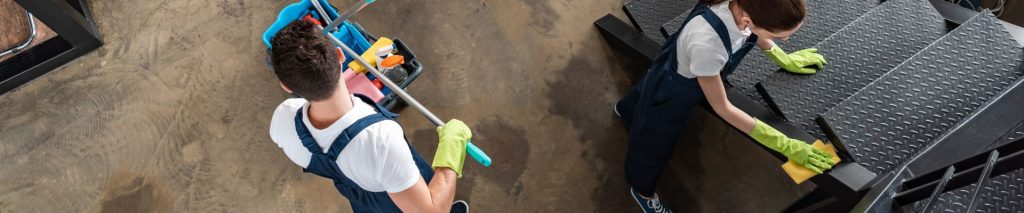
Professional cleaning can help remove accumulated dirt and clean high-touch surfaces according to the needs of the workplace. Businesses should also encourage employees to follow good hygiene practices throughout the day.
3. Reduces Disruptions Caused by Cleaning Tasks
When cleaning is left until dirt and stains become difficult to manage, maintenance can take more time and may disrupt normal business activities.
A planned cleaning schedule helps businesses address routine tasks before problems become more noticeable. Depending on the workplace, cleaning can be arranged outside normal operating hours to minimise disruption.
Why Are Carpet and Tile Cleaning Important in Commercial Premises?
Commercial flooring experiences constant use. Office carpets can trap dust, dirt and debris, while tiled floors may develop marks, spills and grime in busy areas. Entranceways, corridors, reception areas and break rooms often require particular attention.
Regular vacuuming and mopping help manage everyday dirt, but periodic deep cleaning may be needed to address embedded soil and stubborn stains.
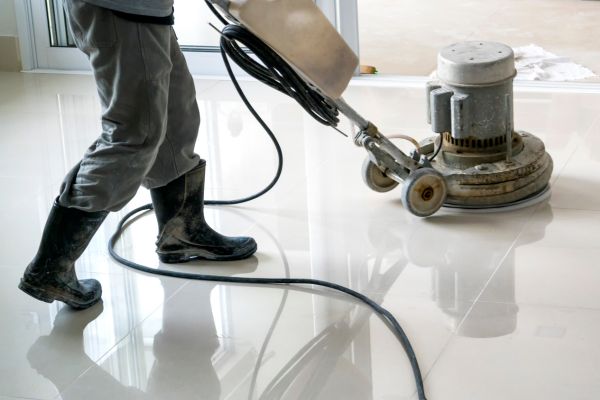
Professional carpet cleaning can help refresh carpeted areas and remove accumulated dirt that routine vacuuming may leave behind. Similarly, suitable tile and grout cleaning methods can improve the appearance of hard floors and remove built-up residue.
Using appropriate cleaning methods for each flooring material is important. Incorrect products or excessive moisture can damage certain surfaces, so cleaning techniques should match the floor type and manufacturer’s recommendations.
How Often Should a Business Schedule Commercial Cleaning?
The ideal cleaning frequency depends on the size of the premises, the number of people using the space and the type of business.
For example, busy offices may need daily attention for bathrooms, kitchens, bins and high-traffic floors. Retail stores and reception areas may require frequent cleaning because customers regularly enter and leave the premises. Carpeted areas may need periodic deep cleaning depending on foot traffic, visible dirt and the condition of the flooring.
When planning a commercial cleaning schedule, businesses should consider:
- Daily cleaning: High-touch surfaces, bins, bathrooms and shared areas.
- Routine floor maintenance: Vacuuming, sweeping and mopping according to foot traffic.
- Periodic deep cleaning: Carpets, tiled floors and grout that need more intensive care.
- Spill management: Promptly addressing spills to prevent stains and potential slip hazards.
- Seasonal reviews: Adjusting cleaning requirements when weather or business activity increases the amount of dirt entering the premises.
A tailored schedule helps maintain cleanliness without paying for unnecessary services.
What Should Businesses Consider When Choosing a Commercial Cleaning Service?
Choosing a suitable cleaning provider involves more than comparing prices. Businesses should look for a service that understands their premises, cleaning priorities and operating hours.
Before making a decision, consider the provider’s experience, cleaning methods, equipment, service inclusions and ability to accommodate the business’s schedule. It is also useful to confirm whether carpet and tile cleaning can be included alongside general commercial cleaning.
For businesses seeking support with maintaining clean workplaces and flooring, Metro Carpet and Tile Cleaners offers commercial cleaning services to explore based on their specific property requirements.
Conclusion
Regular commercial cleaning helps businesses maintain hygienic workspaces, protect carpets and floors, and present a professional image to employees and customers. By combining routine cleaning with periodic deep cleaning, businesses can manage everyday dirt and maintain their premises more effectively.
A cleaning schedule suited to the size, use and flooring of a commercial property can make ongoing maintenance easier to manage. Investing in consistent cleaning practices helps create a cleaner, more comfortable environment for everyone who uses the workplace.